

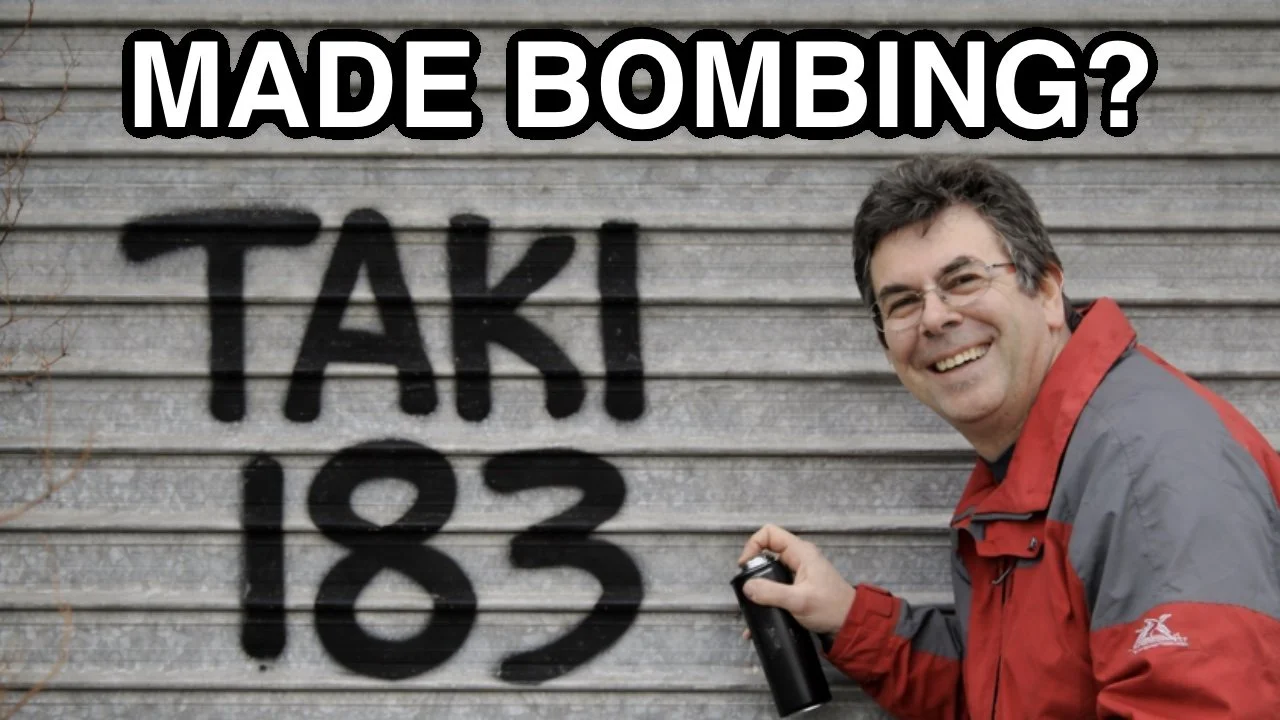
The Start of Graffiti Bombing (Taki 183 History)
The history of graffiti in New York City owes a huge debt to one of its earliest, famous and most iconic taggers: Taki 183. In the late 1960s and early 1970s, the simple scrawl of “Taki 183” became synonymous with the origin of tagging culture and turned a humble Washington Heights teenager into a graffiti legend. Taki 183 is widely regarded as a graffiti art pioneer, a foundational figure among early graffiti writers whose fame helped launch NYC graffiti into the public consciousness. This blog post dives into Taki 183’s real identity, the origin of his tag, how his ubiquitous tagging gained notoriety (culminating in a 1971 New York Times profile), his influence on the graffiti community, and how he eventually retreated from the scene.
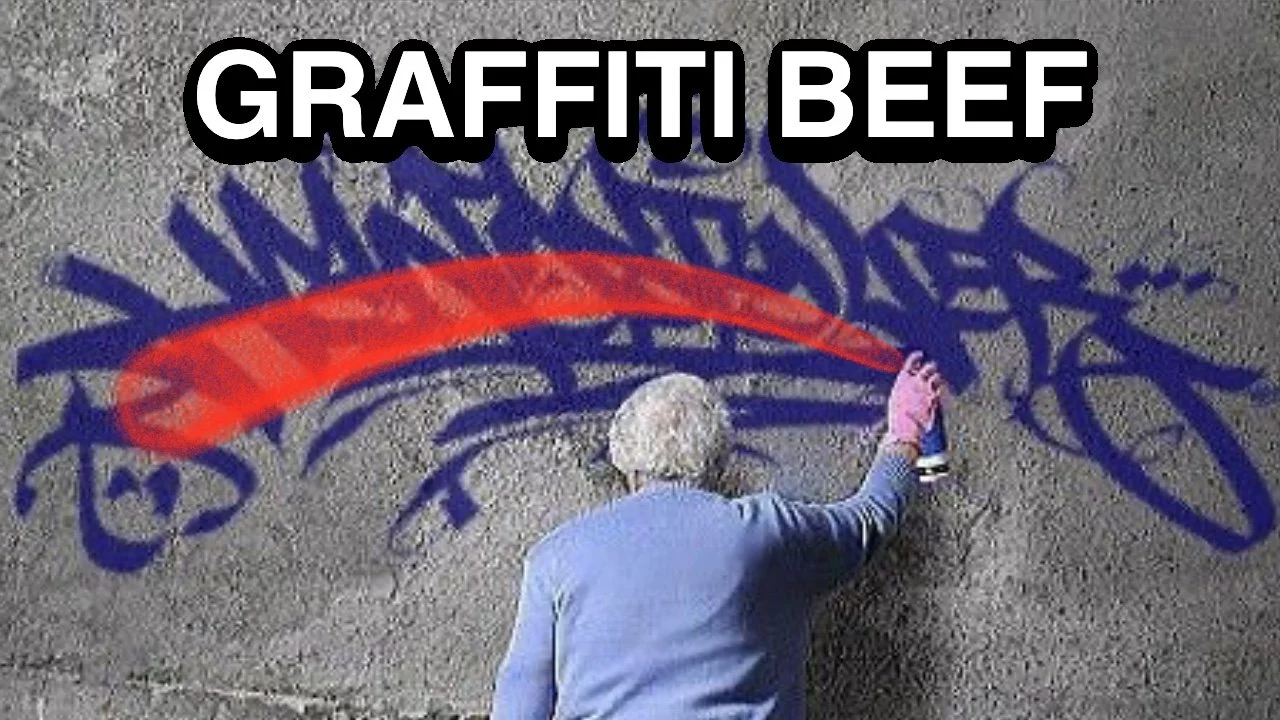
Graffiti Wars are Dying… Here’s Why
Graffiti wars and graffiti beefs aren't exactly the same, though they’re pretty similar. While every war is a beef between two writers, not every beef escalates into a full-out war. In this scene, even painting over a tag can spark drama. A beef usually starts over something like disrespecting another writer’s work, painting over a piece, or copying someone’s style. In other words, there are unwritten rules about respect in graffiti culture; break them, and you might find yourself i having issues with others in the community. A war is a prolonged beef where both writers go to extreme lengths to not only find the work of their opposition, but also go to extreme lengths to cover their tags, throwies and pieces as much as possible. This requires that both writers have a large output of graffiti.
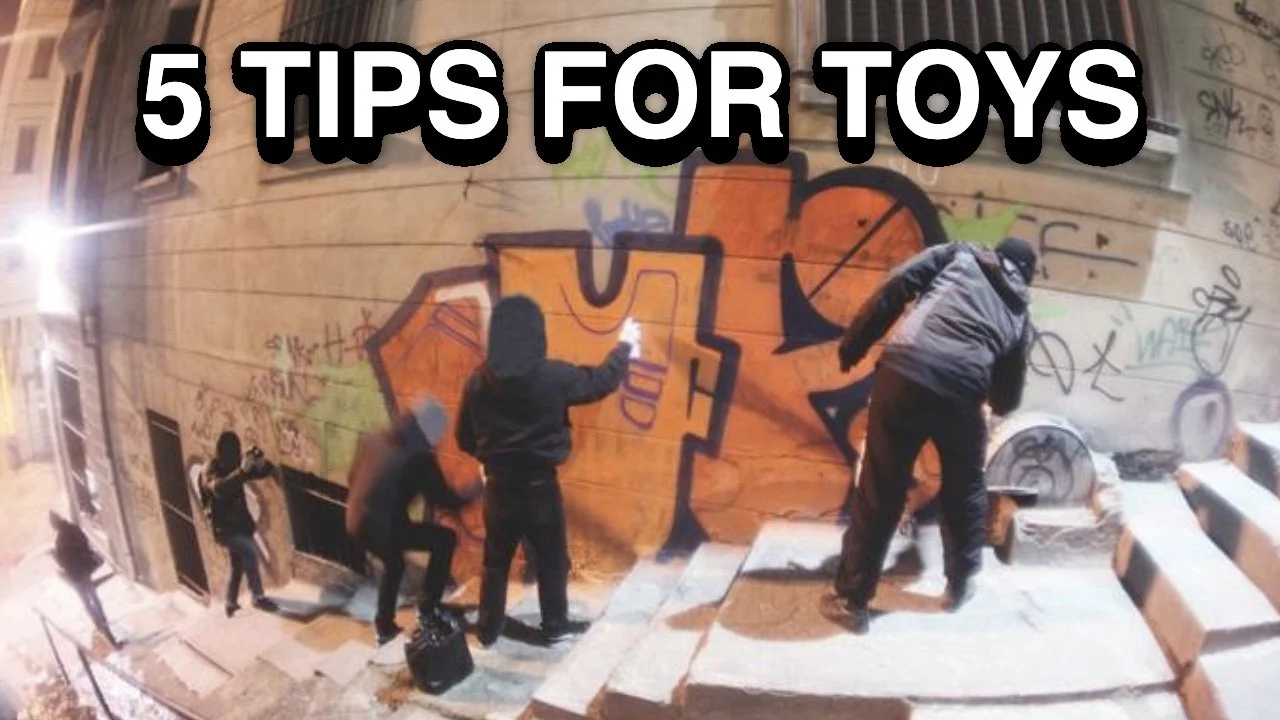
5 Toy Traps Most Graffiti Writers Fall For
Every expert writer was a toy once, and making graffiti mistakes is part of the learning curve. However, some mistakes are so common and dangerous, whether that's getting in trouble with the law or losing respect in the graffiti community. Avoiding these toy traps in graffiti is crucial for your growth and safety. If you're looking for beginner graffiti tips or graffiti safety advice, start by learning what not to do. In this article, we'll highlight five big mistakes new graffiti writers often make, and how to avoid them. By staying clear of these traps, you'll improve your skills faster, stay safer, and earn respect as you move from toy status to seasoned writer.
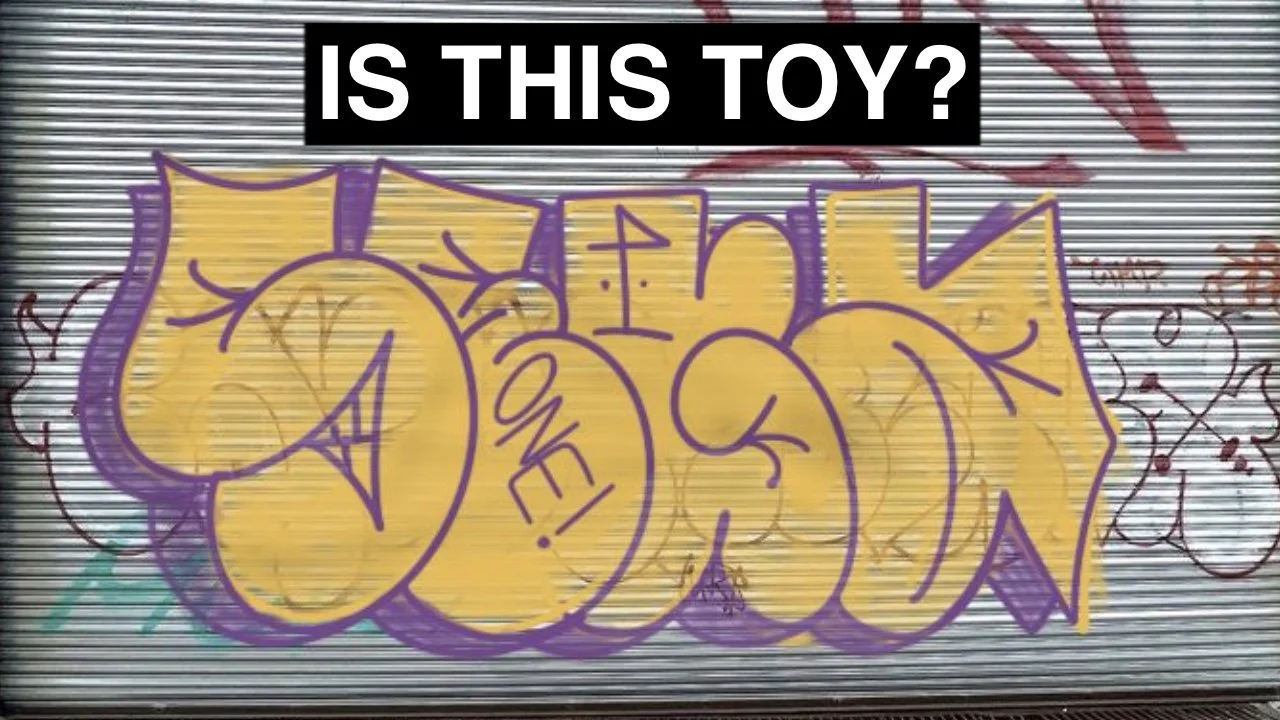
Are You a Toy If You Don’t Change Your Throwie?
Graffiti throw ups (also known as throwies) are a cornerstone of graffiti. Lately, there’s been a heated conversation among writers about whether you should keep developing your throwie style or stick with one design. Newer graffiti writers sometimes label oldschool legends as “toy” graffiti artists if they haven’t constantly evolved their throwie design. In this post, we’ll dive into how they became personal signatures for writers, the impact of social media on style, and the debate between evolving your graffiti throwie design versus perfecting one graffiti signature style. We’ll also give advice for beginners on when to refine your throw-up and when to commit to a style. Let’s get into it!
Uter’s Wild Throwie Explained: Graffiti Style Breakdown
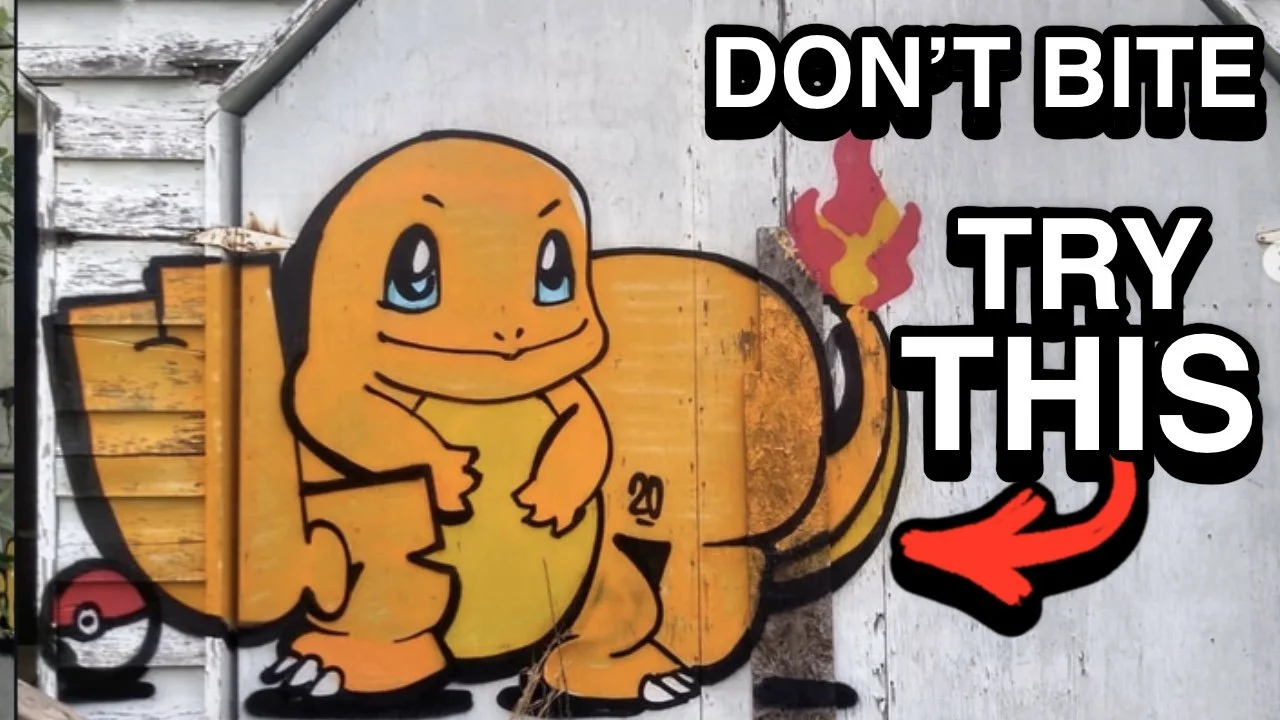
Graffiti artist Uter has gained attention for an unorthodox approach to throwies, turning them into an opportunity for creativity and technical mastery. In this throwie breakdown, we’ll explore how Uter pushes the boundaries of traditional graffiti letter structure. Unlike the typical throw-up done in a hurry, Uter’s throwies are carefully designed and still hold solid fundamentals. We’ll dive into the creative graffiti techniques on display, from unusual weight distribution and anchor letters, to integrating characters like rabbits and Charmander into letter forms, to inventive double-layered letters. By examining these stylistic choices, we can see how Uter’s work demonstrates both technical mastery and the limitless creativity possible in graffiti once the basics are mastered.
Graffiti Handstyle Tutorial Fundamentals Explained 2026
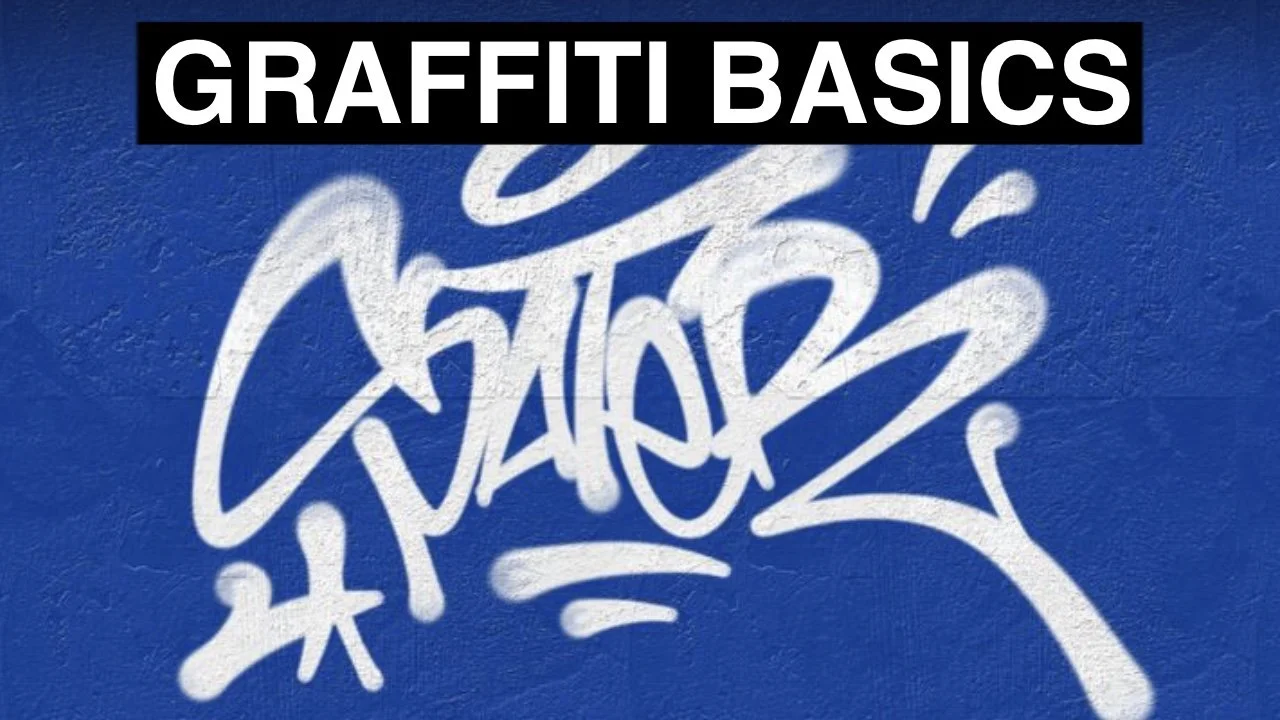
Graffiti tagging is the most basic form of graffiti writing; it’s your personalized signature scrawled with a marker or spray can. Tags are considered the foundation of graffiti culture. This tutorial covers graffiti for beginners, explaining letter structure, negative space, line weight/nib control, and flow. You’ll learn how to build a proper handstyle from scratch, one that’s clean, readable, and built on strong graffiti fundamentals. By mastering the basics first, you’ll set yourself up to develop your own style with real structure behind it.
This Is Not Getting Up!
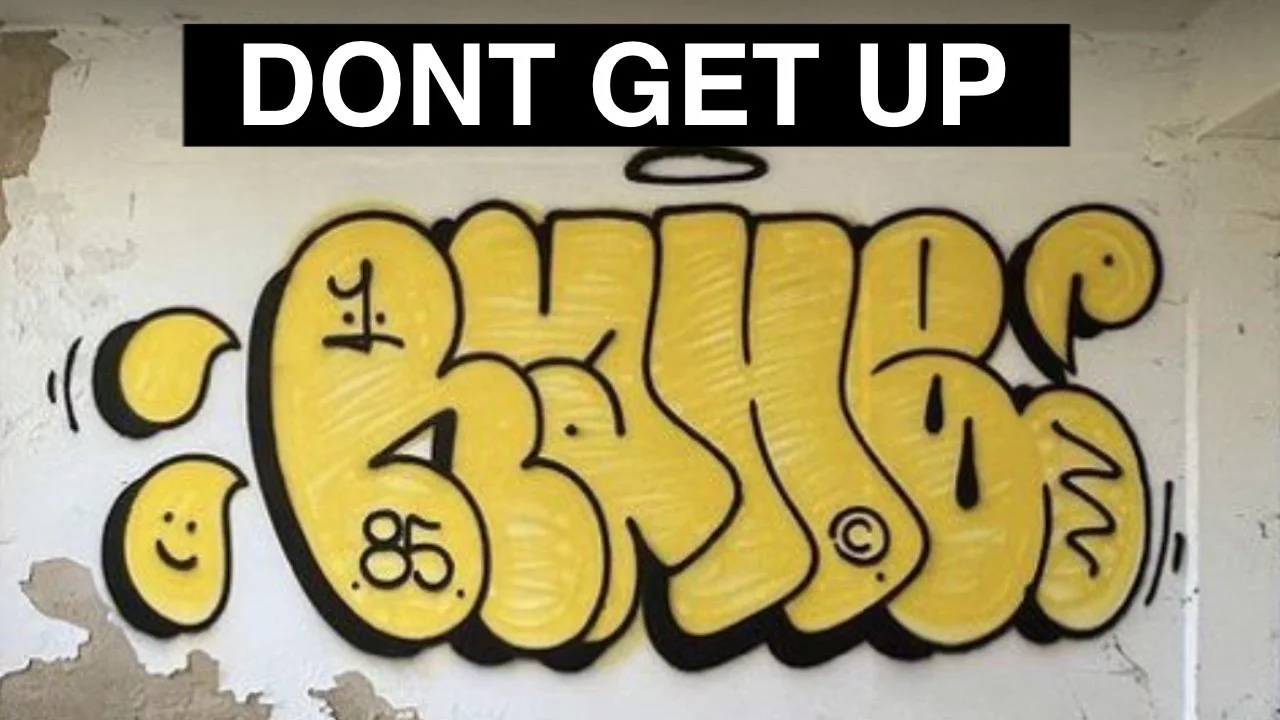
In graffiti culture, getting up means taking your tag or piece to the streets or any public space. It’s all about making your name visible and gaining respect from the act of risking your life and freedom to get your name in more spots. It’s not about a single artwork on paper; it’s about presence. In short, it’s fame-building through taking risks: graffiti is one of the few art forms where fame comes from getting your moniker up on walls, billboards, rooftops, anywhere people can see it.
Getting up isn’t a legal gig, it’s risky and illegal. Simply drawing in a sketchbook or uploading art online usually doesn’t count as “getting up,” but some new artists seem to disagree. Newer artists believe that posting YouTube video about graffiti equates to getting up, and some think posting your black book, or i pad sketches on social media is getting up.

Top 10 Graffiti Tags You Need To See!
Today we take a look at a list bombingscience put together of their top 40 best tags. I thought it would be fun to share my top ten off of that list in hopes to share some cool graffiti that can inspire. We have some of the best writers on this list so you’ll want to check out the full list.

Graffiti Handstyle Fundamentals: Mastering the Basics for Better Tags
If you're just starting out in graffiti then follow our graffiti hand style tutorial. We're going to explain each of graffiti's fundamentals so you can understand how they work. Over time, as you practice graffiti's basics you'll find style begins to come naturally, and you can go from mature toy tags to more refined tags.

No One Does Graffiti Like This: Learn Why Etsom Stands Out
Have you ever looked at graffiti art around town and felt like a lot of it looks the same? Many pieces seem like variations of styles that have been done before. Today, we're shining a light on a graffiti artist who breaks that mold in a big way. Meet Etsom a graffiti artist with a style so unique and creative that it might just become your new inspiration. In this post, we'll explore what makes Etsom's graffiti one-of-a-kind, how he merges graffiti fundamentals with imaginative concepts, and why mastering the basics of graffiti is the key to unlocking your own unique style.

The Rise and Fall of Cope2: Graffiti Legend or Snitch?
Few names in graffiti carry as much weight, or as much controversy, as Cope2. From the Bronx train lines of the 1970s to collaborations with global brands, Cope2 carved his name into graffiti history. But while his rise to fame is legendary, his fall from grace within the graffiti community is a story filled with drama, betrayal, and allegations that changed his reputation forever. In this post, we break down the full story of Cope2’s history, his impact on graffiti, and the controversies that reshaped how the graffiti world sees him today.

5 Things I Wish I Knew When Starting Graffiti!
Getting into graffiti can be exciting, intimidating, and even a little confusing. There’s so much to learn, from letter structure to graffiti culture, that it’s easy to make mistakes early on. After years of experience, here are five graffiti tips I wish I knew when I first started painting. Whether you’re a beginner just picking up a marker or an artist trying to improve your pieces, these lessons will save you time, frustration, and a lot of bad habits.

Complete Graffiti Process | Designing Extensions and Letter Structure
When it comes to designing a graffiti piece that truly stands out, few details have as much impact as extensions. Used well, extensions in graffiti elevate your wildstyle, create flow, and enhance letter structure, but used poorly, they can break your piece entirely. In this full breakdown, we’ll walk through a complete blackbook session, from base sketch to final details, and show you exactly how to build your letters, first analyze the fundamentals, and then add extensions that support your art, rather than sabotage it.

How To Meet Graffiti Artists and Find Walls!
Graffiti is more than just painting your name on a wall, it’s about finding the right spots and connecting with the community of writers around you. For many new graffiti artists, one of the biggest struggles is figuring out where to paint and how to meet other graffiti artists. In this guide, we’ll break down the most reliable ways to discover graffiti walls in your area, whether you live in a city or a small town, and share proven tips for meeting graffiti writers and becoming part of the culture.

Graffiti Extensions Tutorial | Everything You Need to Know
Extensions can take your graffiti from basic to advanced, but only if you know how to use them properly. Done right, extensions can add flow, depth, and personality to your graffiti tags, throwies, and pieces. Done wrong, they can throw off your entire design and ruin the fundamentals of your letters. In this graffiti tutorial, we’ll break down everything you need to know about extensions: what they are, how they work, the anatomy of extensions, and how to apply them in your own graffiti.
Whether you’re just learning how to do graffiti or you’re already experimenting with wildstyle, these graffiti tips and tricks will help you level up your work.

Secret Graffiti Spots: How Writers Practice in Small Towns
When people think of graffiti, they often picture bustling cities filled with tags, throwies, and wildstyle pieces covering walls, trains, and rooftops. But what happens if you live in a small town with no visible graffiti scene? Do you just give up on learning graffiti? The truth is, graffiti finds its way into every corner of the world, even in places you’d never expect. On a recent trip to the Poconos, I set out to explore what graffiti looks like in smaller towns, and what I found proves that graffiti is everywhere, no matter how remote.

Why Every Graffiti Artist Must Learn Tags First (And What Happens If You Skip Them)
When most new graffiti artists get started, they dream of painting big, bold throwies or wild, intricate pieces. But here’s the hard truth: skipping the basics almost guarantees failure. If you want to master graffiti, you can’t skip learning tags. Handstyles are the foundation of graffiti art, and without them, everything else, throwies, pieces, even wildstyles, will fall apart. In this post, we’ll break down why learning tags is so important, what skills they teach, and why ignoring them can hold back your growth as a writer.

Cornbread Exposed: Why He’s NOT the First Graffiti Artist
Cornbread makes the claim that he started graffiti and spread it worldwide back in 1965, but what if I told you it was all a lie. Cornbread begins the story off with a lie, as he used to claim he began in 1967. These claims were made when he was first coming into his fame and back when it was commonly thought that New York started graffiti in the early 70s. This would put him as the first, but there’s an issue. There were writers in Philly that even Cornbread knows personally, who started years before him. Not to mention, Johnny Cool in New York started even before, back as early as 61. Now that’s just graffiti as we know it today, but what about before then?

5 Types of Graffiti Tags Explained
Graffiti is more than just spray paint on walls; it’s a visual language, a cultural statement, and a unique form of self-expression. Around the globe, regional graffiti styles have evolved into distinctive art forms, each carrying its own history and culture. In this guide, we’ll break down five of the most iconic graffiti tag styles that have shaped the scene, from the intricate Philly handstyle to bold New York tags. Whether you’re learning how to do graffiti tags for the first time or looking to refine your skills, these styles offer a blueprint for mastering the art.
Stop Doing This in Graffiti – Simple Fixes for Clean Style
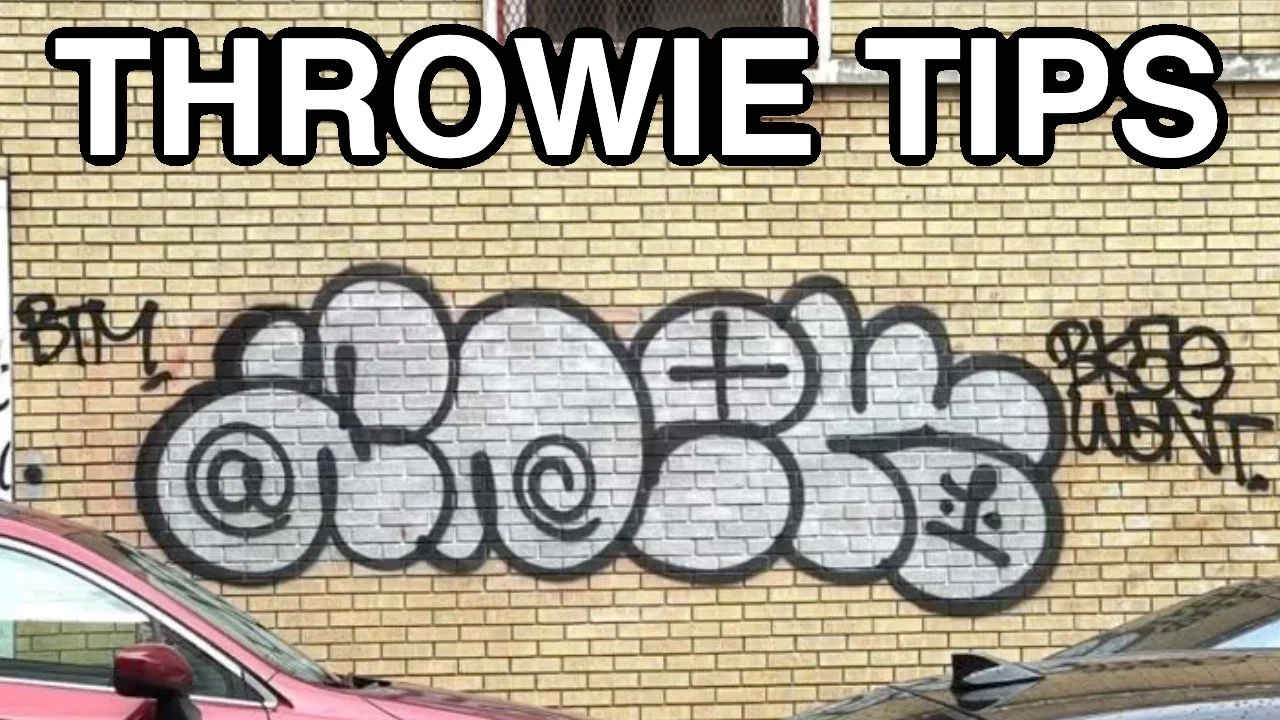
We kick off with a submission from Ceace, who submitted a classic basic throwie. Right off the bat, there’s a lot to appreciate—his letters are well-proportioned and the flow feels natural. But once we look closer, some key areas for improvement emerge.