

Graffiti Wars are Dying… Here’s Why
Graffiti wars and graffiti beefs aren't exactly the same, though they’re pretty similar. While every war is a beef between two writers, not every beef escalates into a full-out war. In this scene, even painting over a tag can spark drama. A beef usually starts over something like disrespecting another writer’s work, painting over a piece, or copying someone’s style. In other words, there are unwritten rules about respect in graffiti culture; break them, and you might find yourself i having issues with others in the community. A war is a prolonged beef where both writers go to extreme lengths to not only find the work of their opposition, but also go to extreme lengths to cover their tags, throwies and pieces as much as possible. This requires that both writers have a large output of graffiti.
Beefing Up Style and Risk
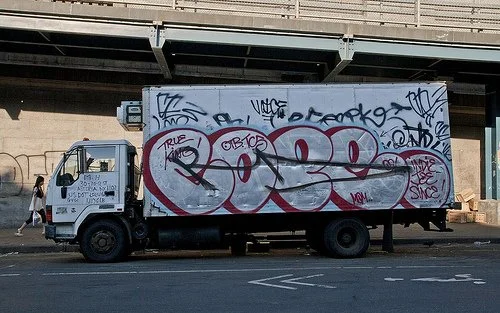
Graffiti wars can get intense, but they also push artists to evolve. In fact, a graffiti blog notes that beefs "push artists to evolve and refine their skills”. When you’re battling on the wall with another writer, you raise the bar on style. Writers try new styles, different letters, flashier colors, and tricks to one‑up each other. In this way, beefs have driven some legendary advances in lettering and technique over the years.
At the same time, conflicts ramp up the risk-taking. Graffiti is already dangerous, scaling rooftops, or tagging in bad neighborhoods, but beefs add extra dangers. Because you’re competing in a war, you’re forced to go out and catch more spots, risky spots, and all of this puts you at more risk of getting caught or hurt. Bombers risk police chases, jail time, or just getting buffed (painted over) the next day. In the graffiti community, getting caught or attacked for a beef is part of the stakes. As Atlanta writer Walz puts it: “Back in the day, if you went over someone’s piece, you would get beat up… Now they hide behind social media.” This quote shows just how real the consequences could be in the old underground scene.
From Old‑School Graffiti to Today’s Scene
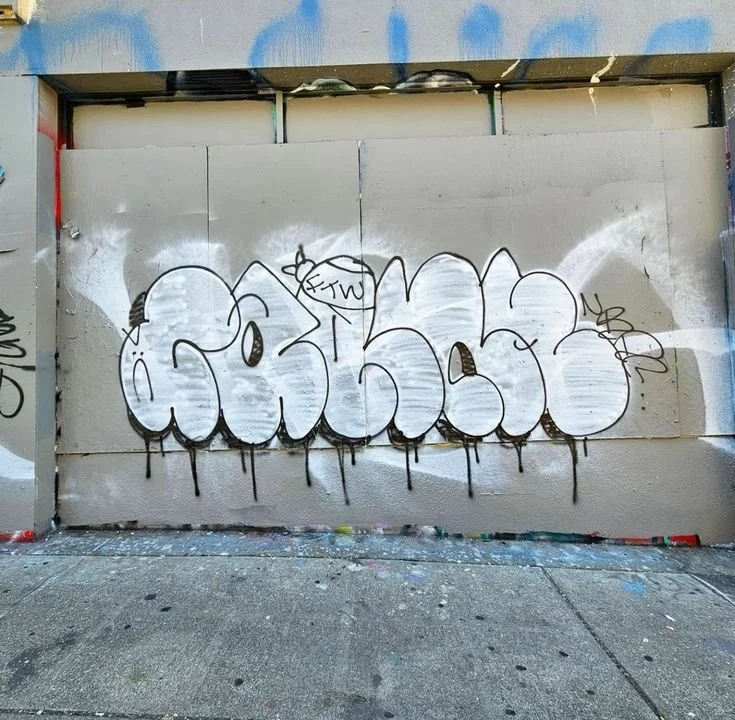
The graffiti world of the 1990s and early 2000s looks very different from today’s global, social-media-driven scene. Old-school graffiti was mainly local and underground. Writers built reputations on late-night trains and hidden walls, and news of a beef spread by word of mouth or printed zines. Back then, beefs were settled in person: as Walz recalls, you might literally get in a fight or have paint cans stolen if you crossed someone. There was no Instagram hype or YouTube drama; it was very much a street‑only culture.
Today’s graffiti scene is worldwide and instant. A mural painted in Berlin can rack up thousands of views on Instagram minutes after it’s done. Big street-art festivals (like Upfest in the UK or POW! WOW! in Hawaii) gather writers from around the globe to collaborate and exchange ideas. In this modern graffiti community, even small crews can gain international fame overnight.
But this digital age has also changed the nature of rivalries. As Walz puts it, “social media made it all more mainstream” beefs that once ended in a chase or confrontation now often play out online. Writers don’t need to scramble for photos as much either: “If you didn’t take a picture of it, it didn’t happen,” he says. In other words, proof on social media is today’s evidence. The covert thrill of bombing has been augmented by cameras and likes.
Grab a digital copy here: Ultimate Graffiti Guide Book Part 1: Fundamentals