

5 Toy Traps Most Graffiti Writers Fall For
Every expert writer was a toy once, and making graffiti mistakes is part of the learning curve. However, some mistakes are so common and dangerous, whether that's getting in trouble with the law or losing respect in the graffiti community. Avoiding these toy traps in graffiti is crucial for your growth and safety. If you're looking for beginner graffiti tips or graffiti safety advice, start by learning what not to do. In this article, we'll highlight five big mistakes new graffiti writers often make, and how to avoid them. By staying clear of these traps, you'll improve your skills faster, stay safer, and earn respect as you move from toy status to seasoned writer.
1. Legal Misconceptions
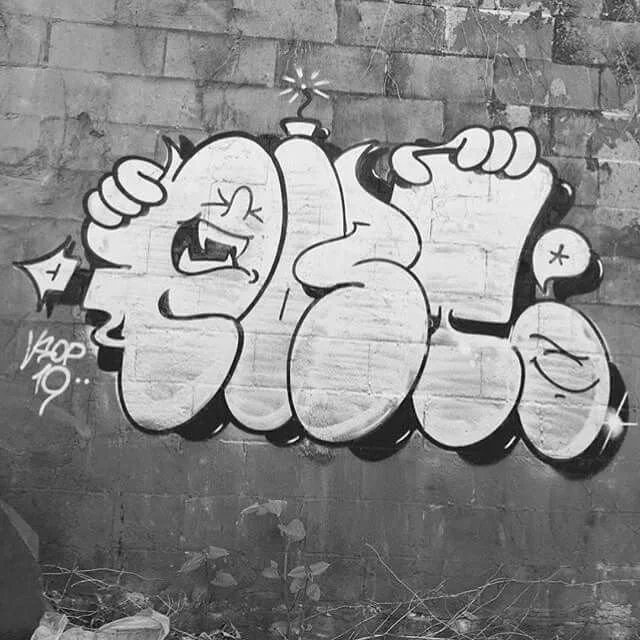
Many new graffiti writers underestimate how serious graffiti can be in the eyes of the law. There's a belief that graffiti is a crime that authorities will overlook. Getting caught can lead to real consequences, from hefty fines and community service to probation or even jail time, especially if you rack up multiple offenses.
Common legal misconceptions that toys have:
"It's a victimless crime, so I won't get in much trouble."
"Painting on abandoned buildings or public property is basically legal."
"If I'm under 18, the police will just give me a warning."
"The cops don't care about small tags; they'll go stop ‘real crimes’."
In reality, law enforcement does care about graffiti, and many cities have dedicated task forces to catch writers. Property owners also press charges, abandoned building or not, someone legally owns that property (in many cases). If you're a minor, you might avoid jail, but your parents could be fined, and you could end up with a record that affects you later. A small tag in the wrong place (like a government building, train, or someone’s house) can bring serious charges.
How to avoid this trap: Treat graffiti as the serious matter it is. If you choose to do illegal graffiti, be aware of the stakes and take precautions; don't assume you’ll just get a slap on the wrist. Most imporatanly accept the consequences when you get caught, it’s your fault after all, and you knew the risk. Even better, seek out legal walls or permission spots in your city where you can practice graffiti without risking arrest. Many cities have graffiti halls of fame or legal mural programs; they’re great for building skills safely. Bottom line: know the laws and consequences before you spray, and don't buy into myths that could land you in handcuffs.
2. Bringing Untrustworthy Friends
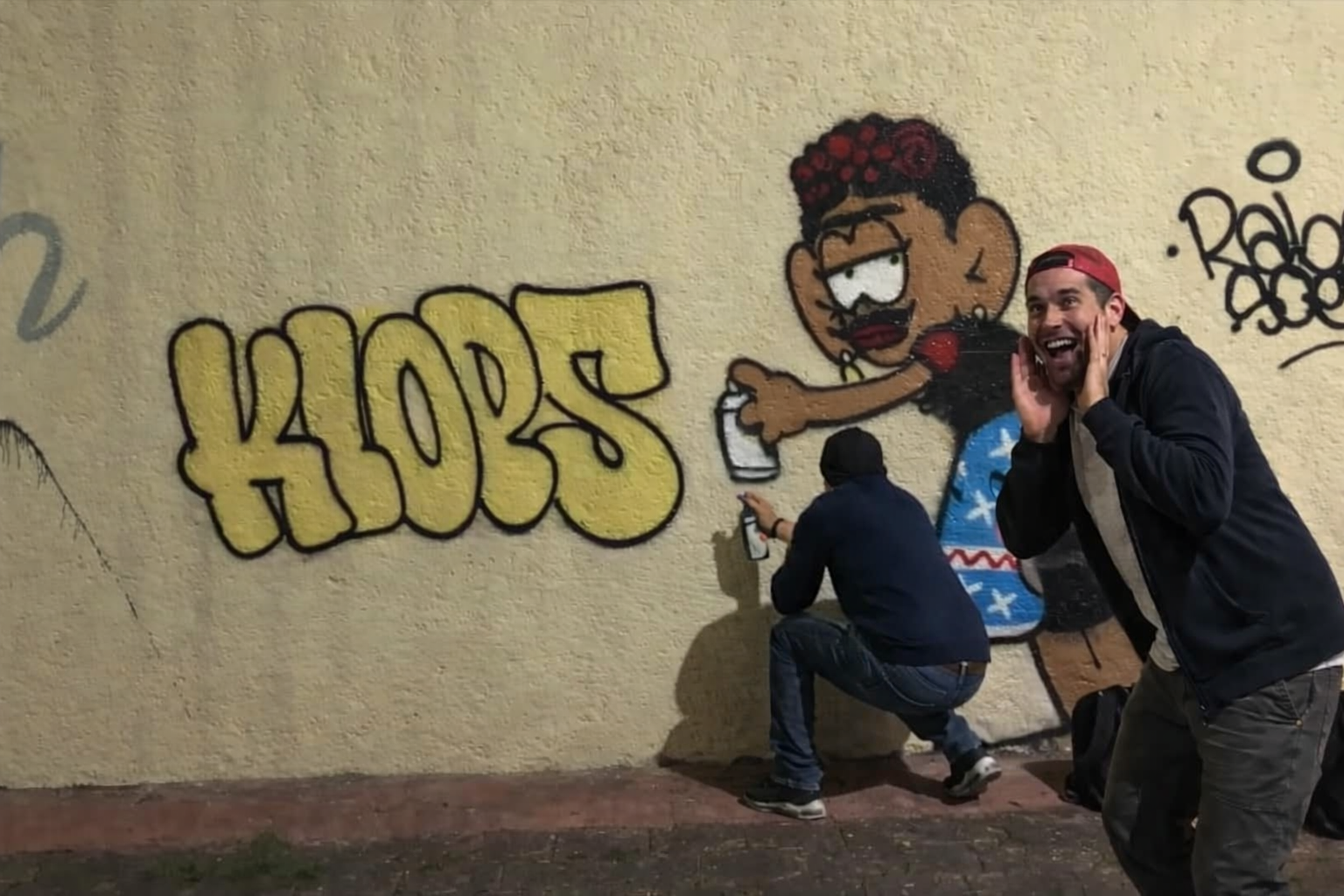
Graffiti might seem more fun or less intimidating with a friend by your side. Many beginners bring along a buddy for a tagging mission, thinking an extra person will watch their back. The problem is, if that friend isn’t 100% trustworthy and discreet, they can become a liability. They don’t know how to conduct themselves when going out, they don’t understand the risk, and they put you at even more of a risk than being alone. One of the biggest beginner mistakes is inviting someone who ends up snitching or panicking when things get real.
Here are a few ways the wrong friend can get you into trouble:
Loose lips: They might brag about tagging to other friends or on social media; the less people know, the better.
No chill: An unseasoned friend could freeze up or make a scene if you encounter police or security, drawing even more attention.
Snitching: If caught, a scared friend might give up your name to save themselves.
To avoid this trap, be very selective about whom you trust on graffiti missions. Ideally, only paint with people who are just as invested in graffiti as you are and understand the importance of secrecy. Veteran writers often say it's better to go solo than to bring along someone who might slip up. If you do team up, set ground rules and have a plan if things go south. Remember, every person who knows about your illegal graffiti is one more potential point of failure. Keeping your circle small and trustworthy is crucial graffiti safety advice that can save you from getting caught.
3. Obsessing Over Crews
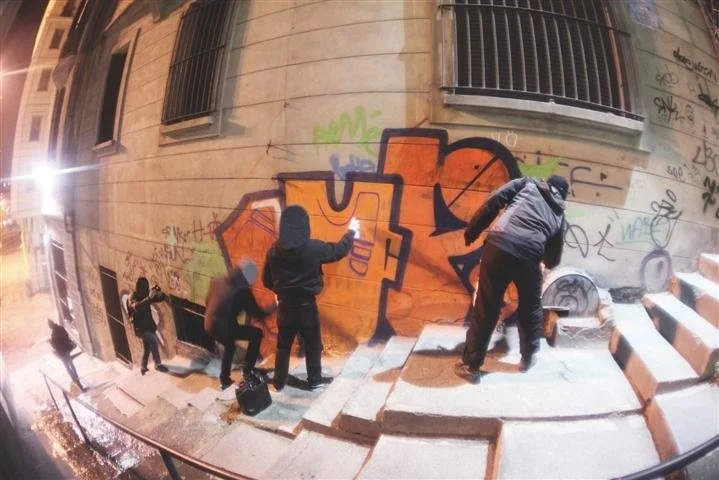
Many beginners fixate on joining a graffiti crew or starting their own crew right away. It's easy to think that rolling with a crew will instantly boost your fame, or that you need a cool crew name next to your tag. While crews are an important part of graffiti culture, obsessing over crews too early can be a trap that surrounds you with more untrustworthy people.
Why focusing on crews prematurely is a mistake:
Joining the wrong crowd: In a rush to be in a crew, you might team up with people you barely know or whose goals don't match yours. If the crew gets into trouble or has a bad rep, you'll be tied to it.
No shortcuts to respect: Graffiti respect is earned through skills and ups (getting your name up), not just by associating with a crew. If you're a toy, having a famous crew name after your tag won't stop more experienced writers from spotting your lack of experience.
Unwanted drama: Crews often have beefs or rivalries. As a beginner, you could get pulled into battles or politics you’re not ready for, instead of focusing on honing your craft.
To avoid this trap, focus on yourself first. Concentrate on learning lettering, styles, can control (spray technique), and building your own name. Fly solo for a while and build a solid foundation. Once your graffiti skills and confidence grow, you'll have a much easier time finding the right crew if you still want to join one. You might even realize you never needed a crew to enjoy graffiti.
4. Tagging Near Personal Paths or Locations
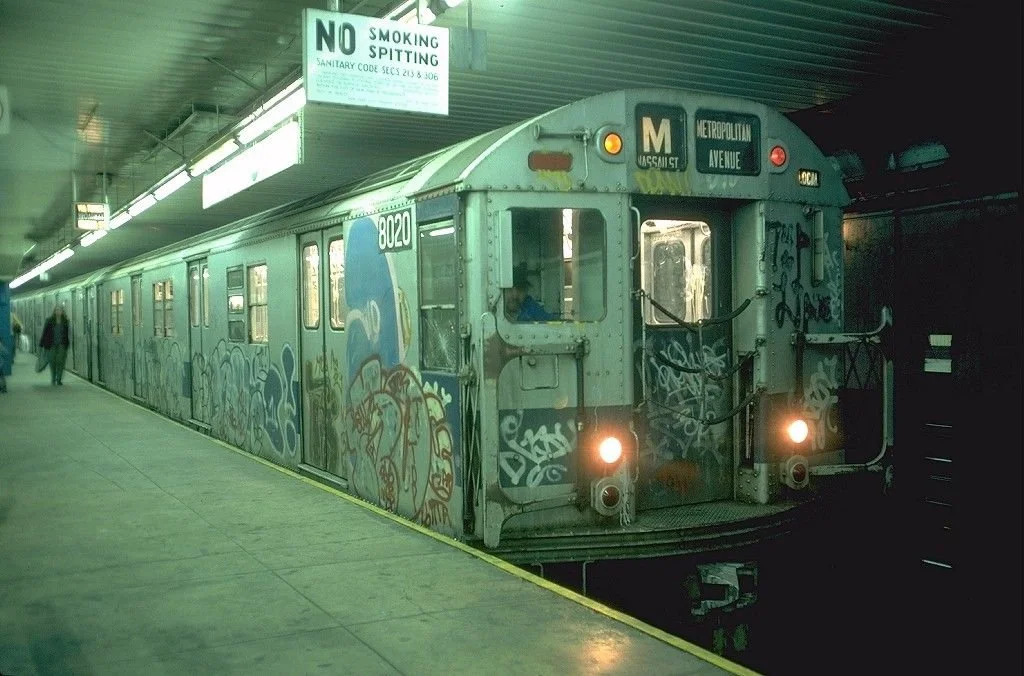
It’s extremely tempting for new writers to tag places they see every day, the alley by your house, the wall on your route to school, or even your school bathroom. This is a rookie error that can get you caught quickly. One of the golden pieces of advice in graffiti is "Don't paint where you live." In other words, avoid putting your tag in or around the areas you personally frequent, because it links the crime directly to you.
Places you should avoid tagging as a beginner:
Your own neighborhood: It might feel cool to see your name up around your area as you go about your day, but if tags pop up all over your area, people will begin to suspect, and the longer this goes on the closser it gets tied to you.
Your school or workplace: School bathrooms, desks, or work property are some of the worst spots to tag, there are cameras, authorities, and people who know you around. Getting caught in these places can have serious immediate consequences (suspension or firing, on top of legal trouble).
Along your daily route: If you only ever tag along the path you walk or drive every day, you’re creating a trail. Investigators can literally follow that trail of tags right to your doorstep. I myself have tracked down plenty of new writers this way when i used to mentor and was more involved in my local scene.
Personal property or hangouts: Don’t tag your own stuff (like your skateboard, notebook, or bedroom wall) and then put that same tag on the street. Friends or family who see both will connect the dots. Also avoid tagging spots where your friends and family hang out, someone might recognize your handstyle or catch you in the act.
5. Starting Unnecessary Beefs

"Beef" in graffiti refers to conflict or bad blood between writers. It can start over someone going over someone else’s work, personal grudges, or disrespect. New graffiti writers sometimes start unnecessary beefs because they think it will earn them respect or notoriety. In reality, picking fights in the graffiti scene as a toy is one of the fastest ways to make your life harder.
Beefs can backfire in many ways:
Constant retaliation: If you cross someone out or diss them, they (and their friends) will likely do the same to all your tags and pieces. Your hard work might get obliterated overnight.
Escalation: What starts as scribbling over each other’s tags can turn into physical confrontations or worse.
Bad reputation: The community will quickly label you as a disrespectful toy if you're always causing trouble. Instead of earning respect, you'll be avoided or targeted by others. Remember, while graffiti is world wide, its a rather small community, and word gets around very fast.
Personally I never recommend beef for any reason at all. I always advise people avoid it no matter the context. While you’ll surly get in situations where you have issues or you simply dont like certain writers, that’s not the same as beef. You can dislike someone, and never go over them. Don't let minor slights or competitive feelings push you into drama. If someone goes over your tag, consider why, if you were in the wrong (maybe you tagged over their work by accident), learn from it and move on. If they did it to provoke you, often the best response is to ignore it and keep painting and improving. Let your skills, not your feuds, do the talking. In the long run, having a chill reputation and consistently improving your graffiti will get you further than any petty beef. If you're unsure where to start or how to avoid common mistakes, check out our graffiti fundamentals book available online; it’s packed with real lessons and photos to guide your development as an artist.
Grab a digital copy here: Ultimate Graffiti Guide Book Part 1: Fundamentals